
Adding a Basement Bathroom: What Metro Vancouver Homeowners Should Know
A basement bathroom adds comfort and value, especially with a suite. Here is what is involved before you start cutting concrete.
A second bathroom downstairs makes daily life easier and can make a home with a suite far more practical. It is also a job where planning matters, because most of the plumbing goes under a concrete floor. Here is what we walk Lower Mainland homeowners through before any work starts.
1. Find out if you already have a rough-in
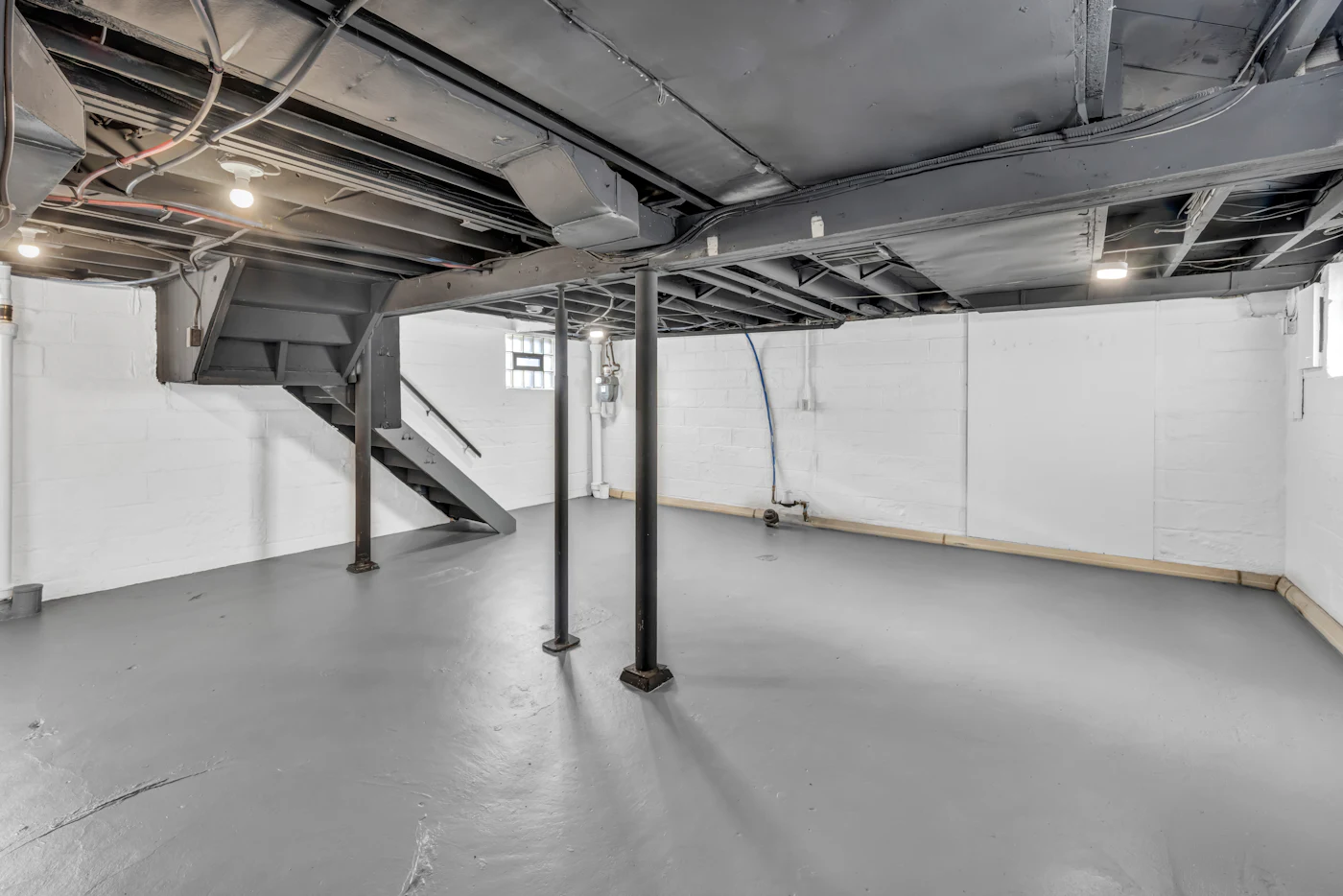
Many homes built in the last few decades have a capped basement bathroom rough-in: a toilet drain, a shower or tub drain and sometimes a sink drain already set in the slab. Look for capped pipes sticking out of the floor near a wall. If you have one, adding a bathroom is faster and less expensive, because little or no concrete needs to be cut.
2. Gravity drainage or a pump?
Water and waste have to reach your sewer line. If the main drain leaves the house below the basement floor, the new bathroom can drain by gravity. If it exits higher up the wall, which is common in some older homes, you will need a sewage ejector pump or an upflush toilet system to lift waste up to the main line. Both work well when they are installed and vented correctly.
3. Plan the layout around the drains
Toilets need the largest drain and should be as close to the main line as practical. Showers need a trap below the floor and a drain sloped correctly. Grouping the fixtures along one wall keeps the trenching short and the cost down.
4. Permits are required
Adding drains, vents and water lines requires a plumbing permit in Vancouver, Burnaby, Coquitlam, Surrey and Langley. The rough-in is inspected before the concrete is patched and the walls are closed. A licensed plumber arranges this, and it protects you when you sell or make an insurance claim.
5. Protect it from backups
Basement fixtures are the first to back up if the municipal sewer surcharges in heavy rain. Installing a backwater valve on the building drain while the floor is already open is one of the best investments you can make in a basement bathroom.
6. Check your hot water
A new bathroom, especially for a suite, adds demand. If your water heater already runs out, plan for a larger tank or a tankless unit at the same time.
What it costs
- Whether a rough-in already exists
- How much concrete needs to be cut and patched
- Gravity drainage versus an ejector pump
- The fixtures you choose
- Permit and inspection fees
We give a written price after a site visit so you know exactly what you are paying for. Learn more about our basement bathroom plumbing and bathroom renovation services.